

<
Healthy Living
Artículos sobre salud y bienestar
¿Se consideran tus hábitos de consumo de alcohol de riesgo?
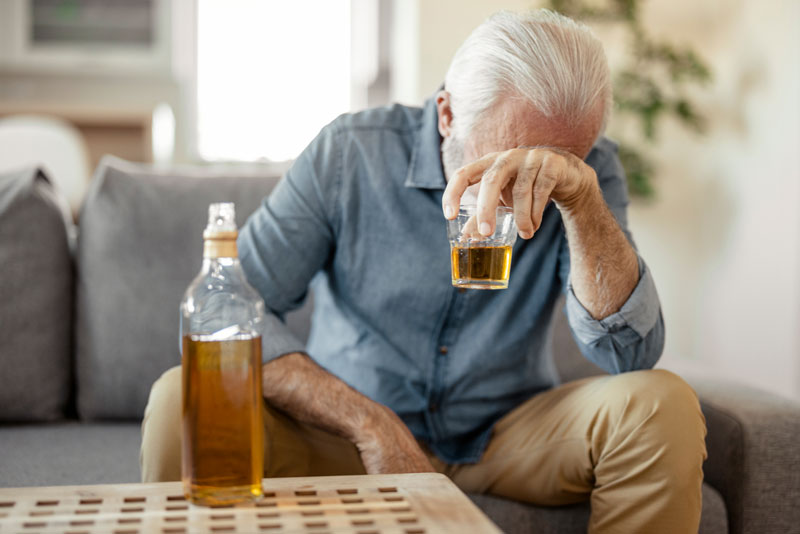
Many would agree that consuming alcohol on occasion can be an enjoyable experience. Perhaps you spend time mingling with family and friends while enjoying beer, wine, or a cocktail. However, some patterns of consuming alcohol can be dangerous, especially as you age.
Aging and Alcohol Consumption
Your body changes over time, and with it, the effects of alcohol on your body can also adjust. According to the National Institute on Aging, some older adults (especially women) may “feel the effects of alcohol more strongly without increasing the amount they drink.” This can lead to a variety of concerns, including a lack of balance which is often linked to dangerous falls and car accidents.
Drinking Can Damage Your Health
Overconsumption of alcohol can lead to serious health issues. It can cause certain cancers, liver damage, worsen health conditions, and even cause memory problems. Furthermore, some medications should not ever be mixed with alcohol. There can be deadly consequences for mixing alcohol with certain medications such as sleeping pills or anti-depression medications. Ask your doctor or pharmacist if it is okay for alcohol to be consumed in moderation while taking your medication(s).
When Are You Considered “At-Risk”
Oftentimes, certain life events can lead to a development of addiction or reliance on alcohol. For example, the death of a spouse or discovering medical diagnoses can correlate with increased alcohol consumption as a harmful coping mechanism. This can lead to alcohol misuse or alcohol use disorder which has serious consequences, including injuries and health problems. The National Institute on Alcohol Abuse and Alcoholism defines heavy alcohol use as the following:
- Heavy Alcohol Use – Adult Men
- Consuming 5 or more drinks on any day
- Consuming 15 or more drinks per week
- Heavy Alcohol Use – Adult Women
- Consuming 4 or more drinks on any day
- Consuming 8 or more drinks per week
If you or someone you know may be an at-risk drinker, there are resources for recovery. Please see resources below:
- National Institute on Alcohol Abuse and Alcoholism
888-696-4222 | www.niaaa.nih.gov
niaaaweb-r@exchange.nih.gov - Rethinking Drinking: Alcohol and Your Health www.rethinkingdrinking.niaaa.nih.gov
- Substance Abuse and Mental Health Services Administration
877-726-4727 | 800-487-4889 (TTY) | www.samhsa.gov - Alcoholics Anonymous
212-870-3400 | www.aa.org
Otros artículos
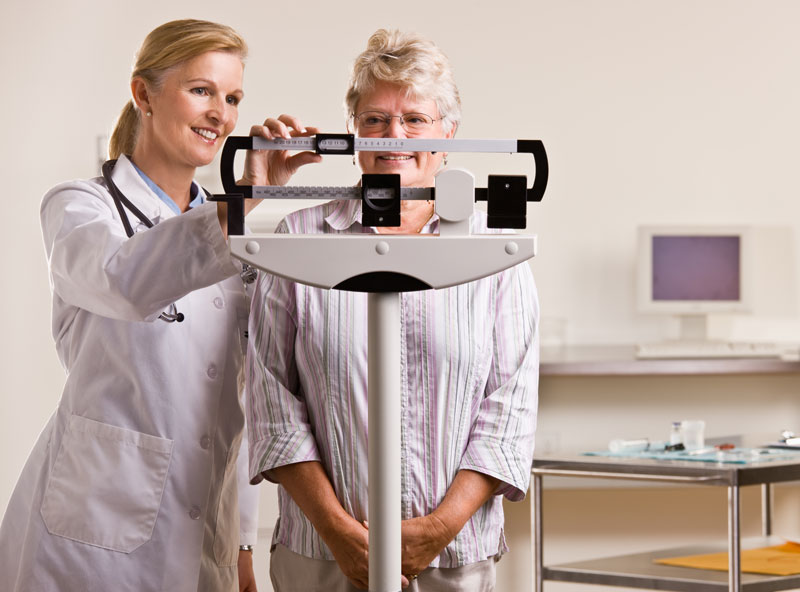
Más allá de la báscula: cómo entender el índice de masa corporal (IMC)
El índice de masa corporal (IMC) es una medida indirecta de la grasa corporal basada en la estatura y el peso de una persona.
Leer más
Es hora de dejarlo: el tabaquismo y cómo dejar de fumar
Es sabido que fumar provoca enfermedades, discapacidades y daños en casi todos los órganos del cuerpo.
Leer más